
 by
by The sale of your home should be as seamless as the life you’ve built in it.
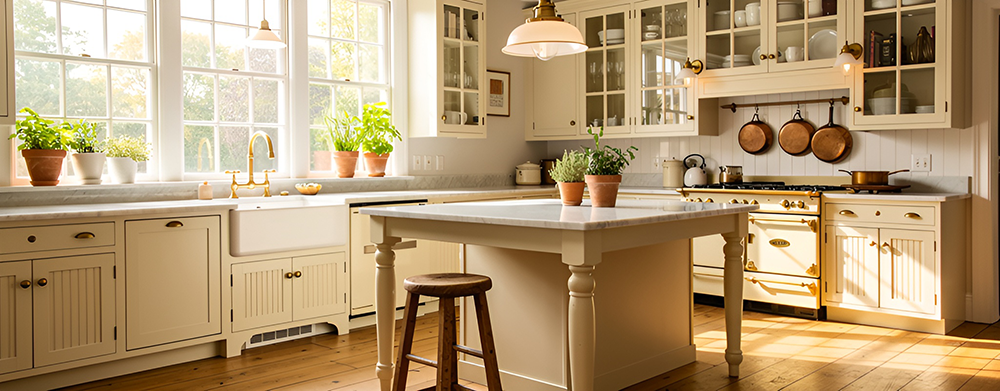
Preparing to sell your home in Wyomissing or the surrounding suburbs of Reading, Pennsylvania is a significant undertaking, often marked by a mix of nostalgia and anticipation.
As your neighbor and real estate advisor, I’m here to ensure you transition to your next chapter with grace. The sale of your home should be as seamless as the life you’ve built here. Selling your home is an emotional undertaking, no matter the reason for the sale. Sometimes it’s a family home, moving your parent into a situation that’s better. Maybe it’s moving for a job. Maybe you’ve outgrown the lifestyle you once thought would be forever.
Refining your home for the market is much like preparing an heirloom for auction; it requires a discerning eye and the courage to address the imperfections that others are too polite to mention.
While many real estate agents focus on getting a sign on the lawn as quickly as possible, I focus on aesthetics, not just the aesthetics of your home (although that is important!) I focus on the true success of your transition. Sometimes this includes a subsequent purchase, and other times it includes downsizing or moving a parent into assisted living. Every situation is unique and requires an advisor who understands how to guide you.
To secure a return that honors the true value of what it should be worth in today’s market, we must look past the familiar comforts and confront the hidden elements that quiet a buyer’s enthusiasm.
Here are five nuances that, if left unaddressed, can subtly erode your investment. PS: This works for all homes in Berks County, not just Wyomissing.
How to prepare your home for sale: What you may have missed that makes a difference
1. The Invisible Signature of Scent
We often become “nose-blind” to the lived-in smell of our own sanctuaries. However, a buyer’s first impression is inhaled long before it is seen. If a room has been the domain of a beloved pet or a decade of heavy drapes, the scent lingers in the fibers.
To be blunt: if your carpets have reached a certain age, they likely carry a fragrance that no candle can mask. They must be removed. I’ll tell you to remove them. Replacing them isn’t just about cleanliness; it’s about providing a blank canvas where a buyer can breathe deeply and feel at peace. Are there hardwoods underneath? That’s a massive selling point.
2. The Fatigue of “Dated” Hardware
It is a small thing, yet remarkably telling. When a prospective owner reaches for a door handle or a kitchen drawer, the weight and style of that hardware communicate the home’s era. Brass polished thin by time or mismatched hinges suggest a house that hasn’t been refreshed in this generation. Swapping these for heavy, timeless pieces is a modest investment that signals to a buyer that every inch of the property has been maintained with modern standards in mind.
3. Lighting as a Psychological Cue
Many homes suffer from a mix of “warm” and “cool” bulbs, creating a visual discord that feels unsettling without the buyer knowing why. Shadows in corners or the harsh glare of an outdated fixture can make even the most expansive room feel somber. We want to curate the light to mimic a soft, perpetual afternoon. Ensuring every bulb is of a consistent, inviting hue illuminates the home’s soul and makes the space feel inherently more valuable.
4. The Clutter of the Personal Museum
Your collection of travel mementos and family portraits tells a beautiful story of a life well-lived, but during a sale, that story can be distracting. When a home is too “full” of its current owner, it leaves no room for the next family’s imagination. We aren’t just tidying; we are editing. By thinning out your personal treasures, we reveal the architectural bones of the house, allowing the buyer to see the proportions of the room rather than the objects within it.
5. The Deferred Maintenance of the Unseen
A buyer in our corner of Pennsylvania is often a sophisticated one; they will look behind the furnace door and into the dark corners of the eaves. A dusty HVAC filter or a cobwebbed crawlspace suggests a general inattention to the home’s “health.” These small, neglected chores signal to a buyer that larger, more expensive problems might be lurking. By presenting a home that is surgically clean in its utility spaces, you remove the “fear factor” and justify a premium asking price.
Avoid these common missteps that can quietly unravel even the most promising of plans.
Would you like a few more tips? Download my free guide to selling your home.
And if you’d like some 1:1 assistance to guide you with your plan for getting the most return on investment for your largest asset, let’s chat. In a world that is far too cluttered with AI and automation, it would be my privilege to help you get started on your next chapter.