
 by
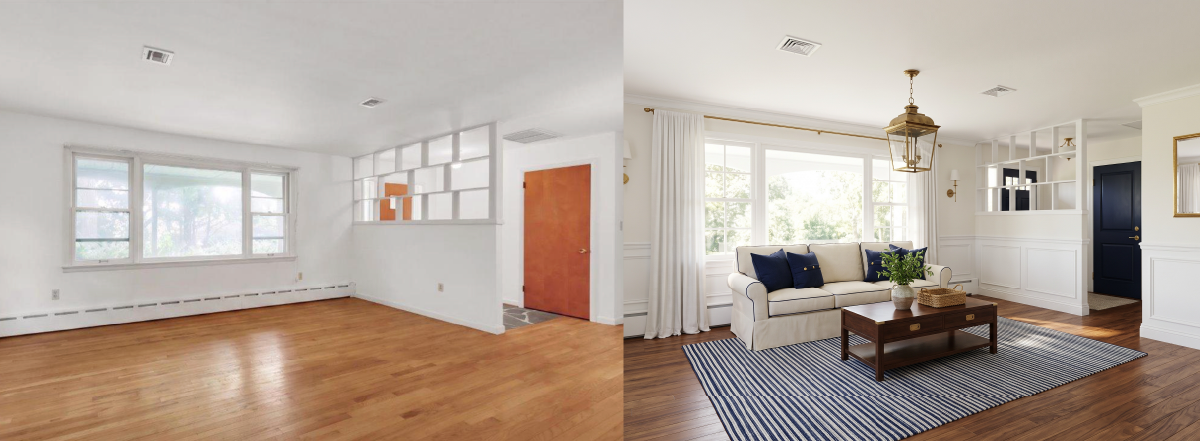
by When some people see “dated” I see beauty waiting to be uncovered. Every room in this Wyomissing, Pennsylvania home had a story before I looked at it with a different perspective.
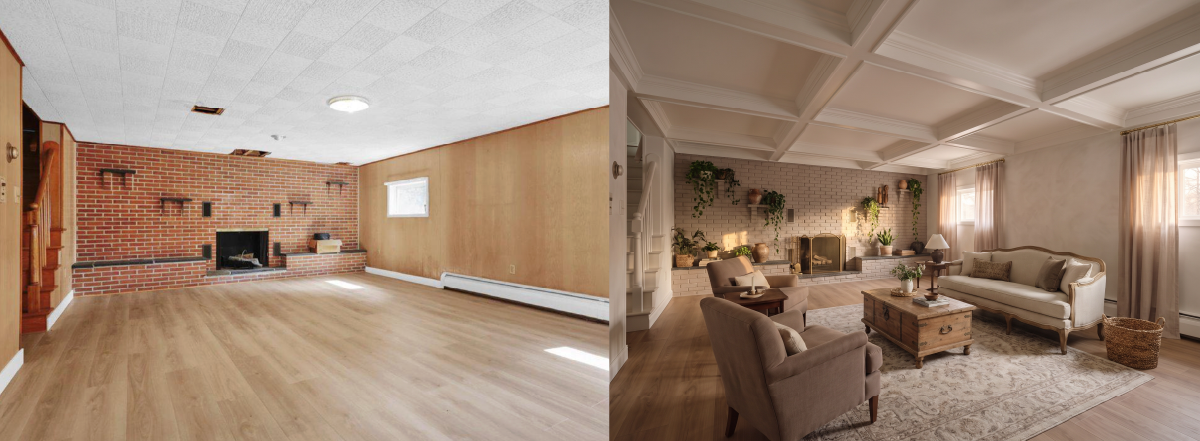
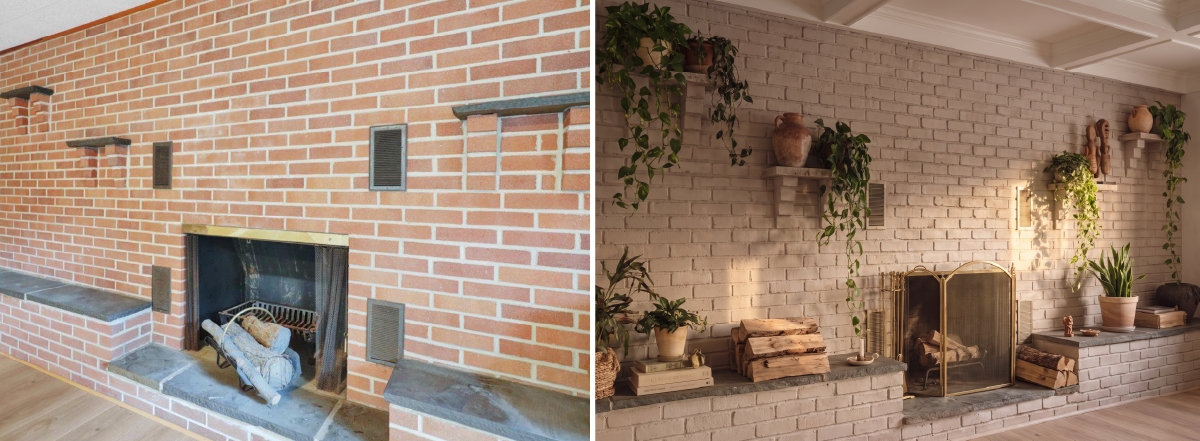
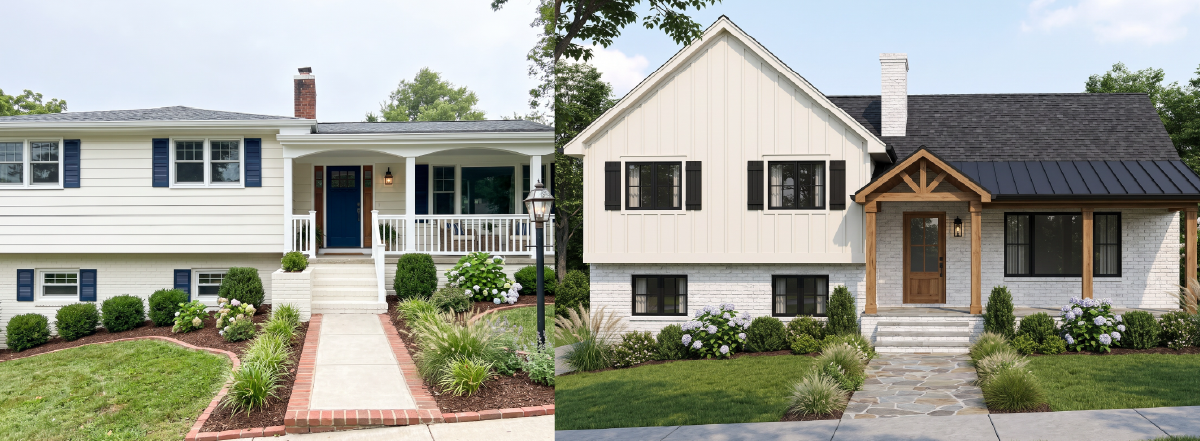
- A fireplace hidden under decades of brick that never got to be softened.
- A kitchen wearing a color it never chose before.
- A bathroom holding onto a palette from another era, but patiently waiting for a few simple touches to bring it back to elegance.
- I didn’t erase any of it. I simply listened to the heartbeat of our small town.
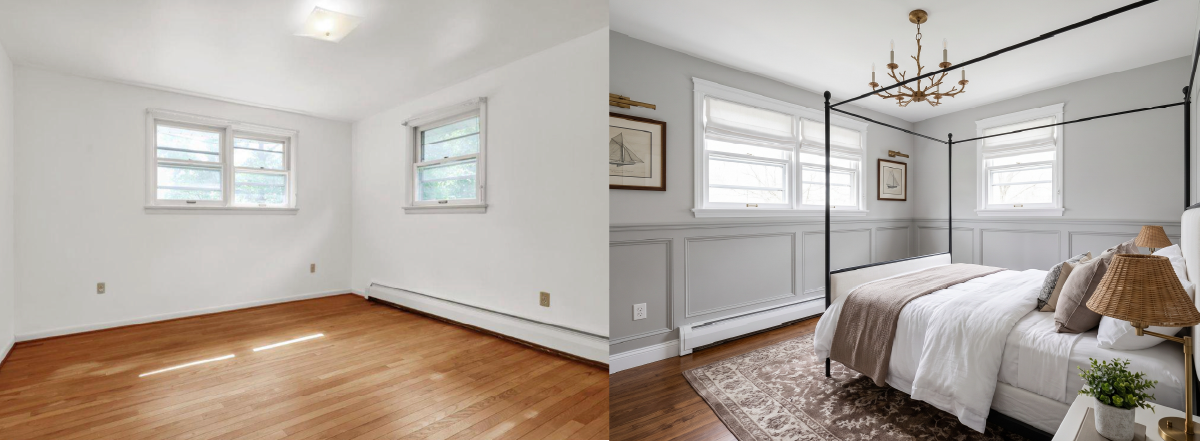
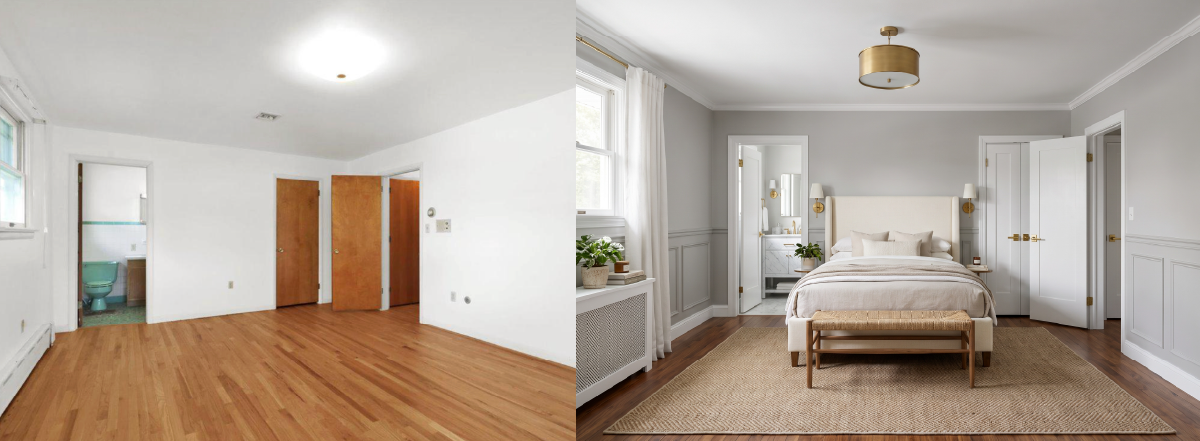
What you’re seeing here isn’t a renovation — it’s a conversation between what this house always was and what it is capable of becoming. Marble where laminate stood. Brass where builder-grade waited.
Intentionally soft wallpaper, original hardwoods, and quiet, considered light in every corner that deserves it.
This is design and restraint. As reverence.
As proof that “old” was only ever a word we hadn’t finished defining.
Best Upgrades for Resale Value in Berks County
A house on a mature Wyomissing street does not earn its value by looking newly assembled. It earns it through proportion, condition, and the sense that its owners understood what was worth preserving. The best upgrades for resale value are therefore rarely the loudest ones. They are the improvements that remove buyer uncertainty while protecting the character that made the address desirable in the first place.
For sellers in Berks County’s established neighborhoods, the calculation is more exacting than a general renovation checklist suggests. A slate-roof Tudor near the museum district, a gracious stone Colonial in Wyomissing, and a thoughtfully updated mid-century home in Sinking Spring each carry different expectations.
This home on Clayton was re-imagined, but in order to command top dollar, it would need to be finished. The proper work is not simply an expense before a sale. It is strategic readiness: an investment in confidence, presentation, and the home’s long-term provenance.
Best Upgrades for Resale Value Begin With Condition
Before considering finishes, address the elements buyers cannot easily admire but will certainly investigate. In a higher-caliber home, deferred maintenance reads less like a minor inconvenience and more like a question of stewardship. Buyers may forgive a powder room that feels dated. They are less inclined to overlook water intrusion, aging mechanical systems, compromised masonry, or a roof nearing the end of its useful life.
In Berks County, this frequently means beginning with the exterior envelope. Repairing worn flashing around chimneys, repointing deteriorated brick or stone with an appropriate mortar, correcting drainage at the foundation, and servicing original wood windows can have more value than a fashionable cosmetic project. These measures protect the asset and make the property easier to inspect, insure, and finance.
Documentation matters nearly as much as the work itself. Keep invoices, transferable warranties, service records, permits, and before-and-after photographs for substantial projects. A buyer evaluating a historic home wants evidence that the systems behind the walls received the same attention as the rooms seen in photographs. Orderly records create confidence without requiring a great deal of explanation.
Preserve, Do Not Erase
Original details are not automatically sacred, but they should be assessed before they are removed. A solid six-panel door, aged brass hardware, oak flooring, plaster crown molding, and an old stone hearth may be central to a home’s appeal. Their replacement with generic materials can flatten the very distinction for which buyers are paying.
This does not mean a home must remain frozen in time. It means updates should be in alignment with its architectural language. Refinish the original floor before considering a replacement. Repair divided-light windows where practical, then add discreet storm solutions or improve weatherization. If a historic kitchen must be reconfigured, retain a worthy built-in or use cabinetry and hardware with enough restraint to sit comfortably beside the home’s earlier workmanship.
There is a quiet irony in over-renovation: the seller spends generously to make a distinctive property resemble every other renovated listing. That is not always an efficient use of capital.
Kitchens That Respect the House
Kitchens remain consequential because they affect a buyer’s daily life immediately. Yet a full kitchen renovation is not automatically among the best upgrades for resale value. The return depends on the existing layout, the home’s price position, and whether the work resolves a genuine objection.
A kitchen that is clean, functional, well-lit, and visually coherent may need refinement rather than demolition. Repainting sound cabinetry, replacing tired pulls, updating a worn countertop, improving task lighting, and installing a well-chosen faucet can change the room’s bearing considerably. In a home with original cabinetry of quality, careful restoration may carry more credibility than a total replacement.
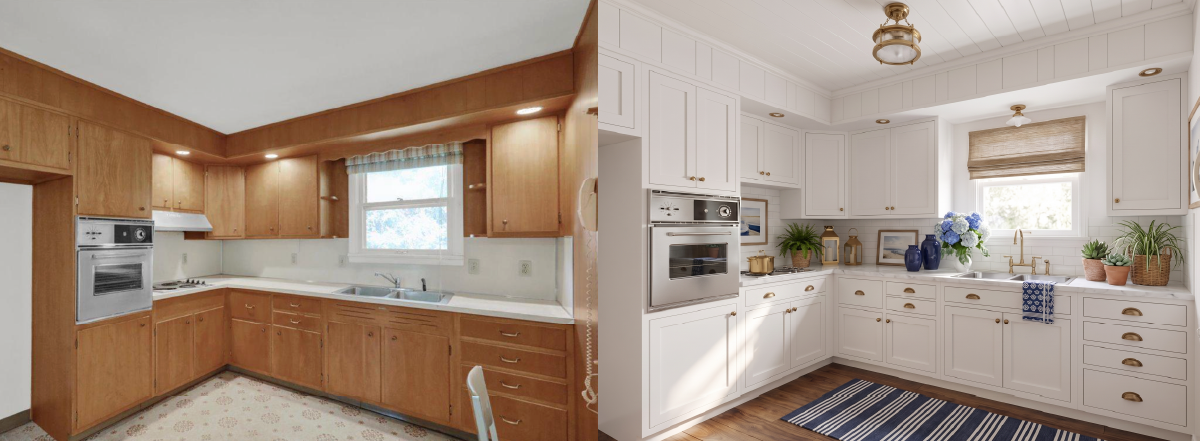
When a larger renovation is warranted, favor durable materials with a long visual life. Natural stone, painted or stained wood cabinetry, simple tile, and hardware with architectural presence generally age more gracefully than finishes selected for a fleeting showroom moment. The point is not to create a dramatic reveal. It is to give buyers a kitchen they will not feel compelled to redo upon arrival.
Layout deserves particular scrutiny. In older homes, a modestly sized kitchen can still succeed if circulation is sensible, storage is intentional, and there is a natural relationship to dining or outdoor space. Removing every wall in pursuit of an open plan can diminish both utility and charm. Some rooms are meant to retain their edges.
Bathrooms, Lighting, and the Daily Experience
Bathrooms are where buyers quickly distinguish between a home that has been maintained and one that has been merely decorated. Refreshing a dated bath can be prudent when tile is damaged, fixtures are visibly worn, ventilation is poor, or the room feels difficult to use. A restrained renovation with a proper vanity scale, quality plumbing fixtures, effective lighting, and thoughtful tile often has broader appeal than a highly personal spa concept.
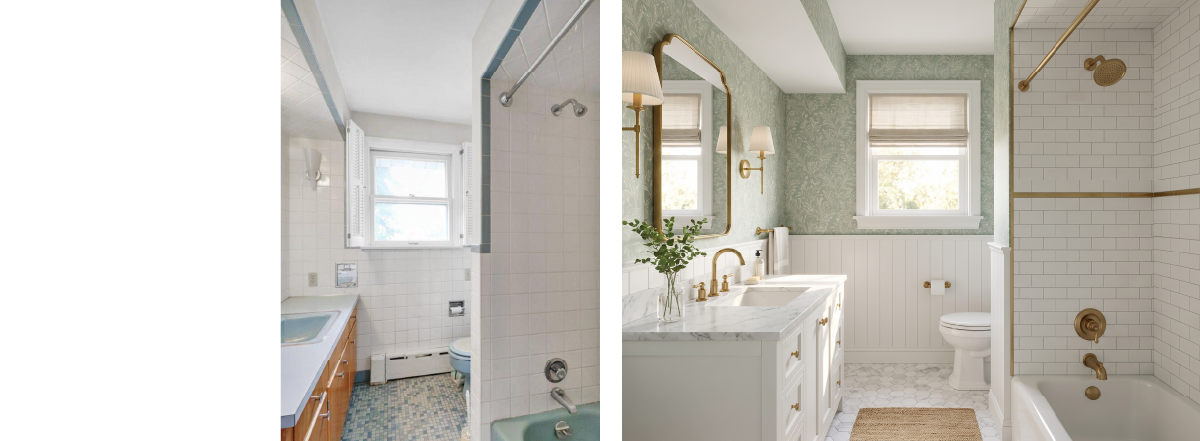
In historic residences, consider the bath’s relationship to the rest of the house. A classic white tile field, honed stone floor, or simple painted vanity may feel entirely appropriate. Novelty fixtures and aggressively patterned finishes tend to date a room faster than anyone intends.
Lighting is a comparatively modest intervention with disproportionate influence. Many otherwise handsome homes are undermined by dim foyers, harsh recessed lighting, or fixtures selected without regard to ceiling height and room scale. A balanced plan should provide ambient light, useful task lighting, and a degree of warmth after sunset. In formal rooms, a period-appropriate chandelier or lantern can reinforce the home’s lineage. In less formal spaces, a clean fixture of good proportion is usually sufficient.
Do not overlook switches, dimmers, and outlet placement. They are small details, but buyers notice when a home functions with ease. Quiet luxury is often experienced through what works without ceremony.
Outdoor Spaces and the Approach to the Home
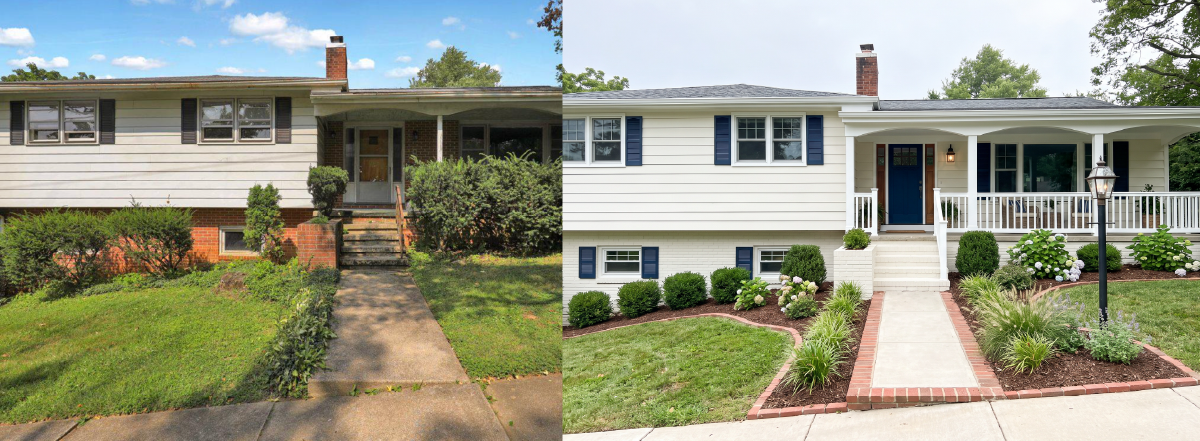
The first impression of a property begins well before the front door. In mature Berks County neighborhoods, buyers respond to the composition of the whole setting: tree canopy, driveway condition, front walk, porch, shutters, fencing, and the view from the street. A manicured landscape need not be elaborate to feel considered.
Prioritize the approach. Repair uneven masonry walks, refresh a front door that suits the architecture, trim overgrown plantings away from the façade, and ensure exterior lighting is purposeful. If the home has a porch, terrace, or stone patio, present it as a usable room rather than a collection point for furniture that has seen better decades.
Landscape work should support privacy and structure, not compete with the house. Mature specimen trees, hedging, and layered planting can be meaningful assets, particularly in Wyomissing, Mohnton, and the established pockets surrounding Reading. But unhealthy trees, poorly placed shrubs, and drainage problems deserve professional oversight before listing. An appealing garden is an advantage. A garden that suggests future expense is something else entirely.
Improvements That Depend on the Price Point
Not every upgrade should be pursued simply because it may appeal to someone. In this example, you see a quick variation of the exterior, and also a vision for a more robust variation that still doesn’t change the actual facade.
A seller should weigh the likely buyer, the neighborhood ceiling, the home’s condition relative to competing properties, and the time available before market entry. A $100,000 renovation rarely becomes $100,000 of additional value merely because the receipts are impressive.
The same principle applies to specialty additions. A wine room, elaborate outdoor kitchen, home theater, or highly customized office may enhance a particular lifestyle, but their resale value is conditional. In the right estate setting, executed with quality and discretion, such features can strengthen the narrative. In a smaller suburban property, they may narrow the audience or consume space better used for a bedroom, storage, or straightforward family living.
Energy efficiency also calls for discernment. Updated HVAC, insulation improvements, smart thermostats, and well-maintained windows can reassure buyers and lower operating concerns. Visible interventions should be evaluated carefully in historic districts or on architecturally significant homes. The objective is thoughtful modernization, not a visible argument with the façade.
Prepare With a Selling Strategy, Not a Renovation Impulse
The most useful pre-sale decisions are made after looking closely at the property through the lens of its likely market. That includes its architectural identity, condition, setting, and buyer pool, as well as the homes that will form its true competition. A property with exceptional original millwork may need a disciplined paint plan and mechanical updates. A recently renovated home with an awkward exterior may need landscaping, masonry repair, and a stronger arrival sequence. Precision comes from knowing which story the house can credibly tell.
Before approving significant work, establish a scope, budget, timeline, and standard of finish. Obtain the necessary permits and use tradespeople who understand older construction where appropriate. A rushed renovation can create more inspection questions than it resolves, particularly when craftsmanship and documentation are lacking.
The finest preparation leaves a home feeling settled rather than staged into submission. Buyers should see a property with care in its bones, a clear future, and enough room to imagine their own chapter within it. That is the kind of value that tends to hold its composure long after the photographs are taken.
It would be my privilege to visit your home and talk through options with you before you decide to go-to-market. Click here to Get in Contact.